
Foundation Model Reasoning AI and the Thinking Human — The Science of Decision-Making
Session Overview
AI is no longer just a tool that runs models designed by humans — it has begun participating in the AI development process itself: discovering new algorithms, writing code, and generating its own training data. As techniques advance that let models evaluate and improve their own outputs, or let multiple AI systems collaborate to build better systems, AI research and development itself is undergoing a fundamental shift.
This session explores the possibility of "recursive self-improvement" — AI supporting the training, design, and evaluation of AI. We'll look at the core technologies AI needs to expand its own capabilities, including automated research and software development, self-improving agents, and open-ended learning systems.
We'll also examine how the role of human researchers will change, how far we can allow AI's autonomous development to go, and what principles and verification frameworks are needed to ensure safety and controllability.
Speakers
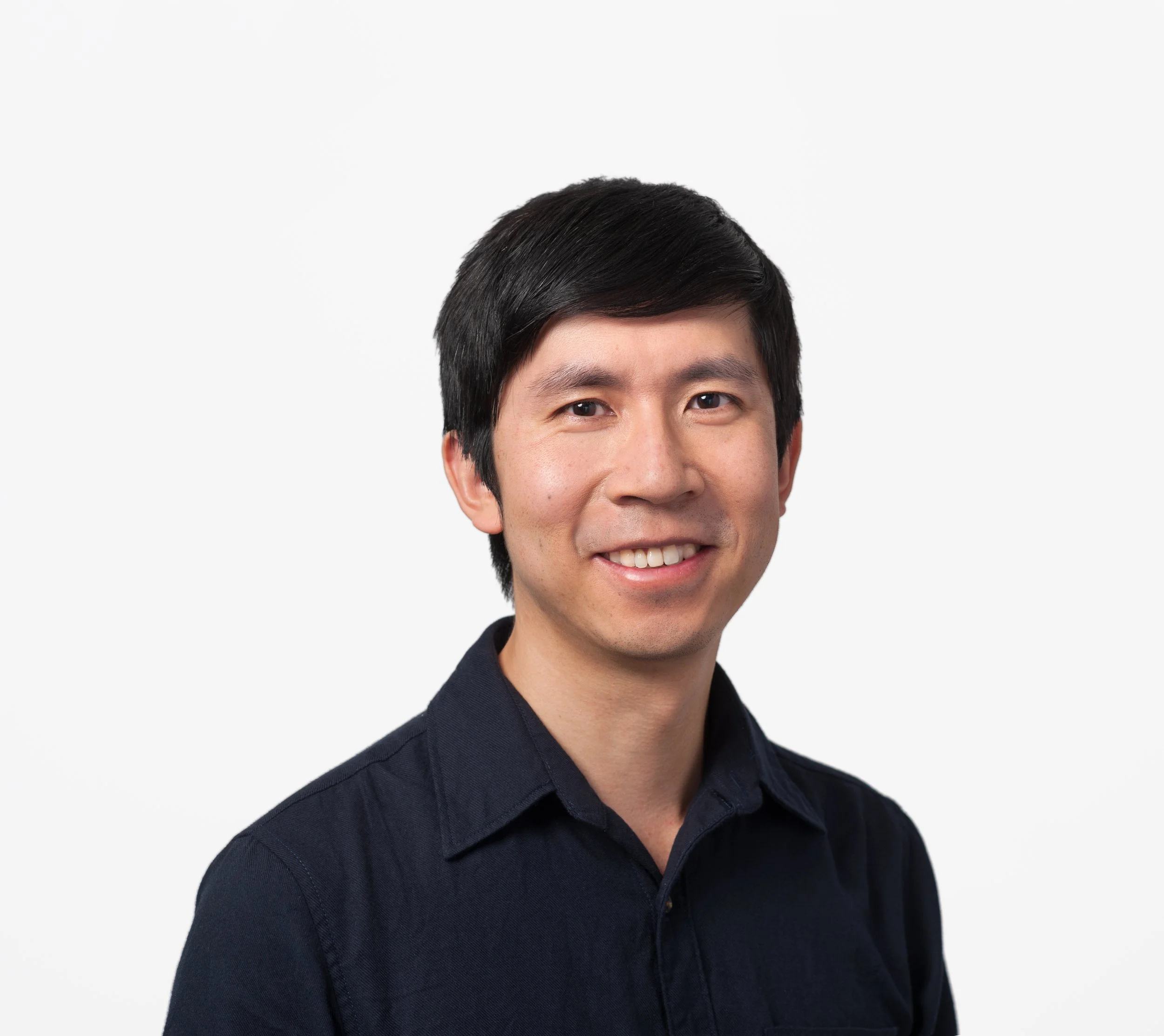
Andrew Dai spent 12 years as a Research Scientist at Google Brain and DeepMind. He wrote the 2015 paper that OpenAI later cited as the original recipe for ChatGPT, was a core Area Lead on Gemini, GLaM, and PaLM 2, and his published research has accumulated over 75,000 citations.
Now, he leads Elorian AI, a company building AI systems that understand the visual medium and apply reasoning the way humans do. Elorian AI recently launched with $55M at a $300M valuation, backed by Menlo Ventures, Altimeter, Striker Venture Partners, NVIDIA, and Jeff Dean.
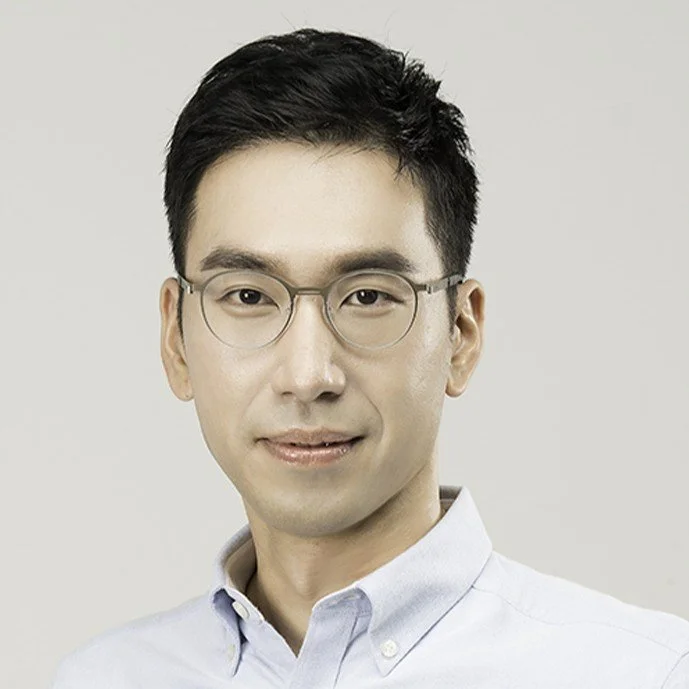
Moontae Lee is Head of the Superintelligence Lab at LG AI Research and a faculty member in Information and Decision Sciences at the University of Illinois Chicago. His journey with Large Language Models began in 2019 as an invited scholar at Microsoft Research Redmond, where he launched the ambitious Universal Language Modeling project. His research spans planning, reasoning, and evaluation for text and code generation models.
He currently leads the EXAONE Data Foundry, a large-scale platform for generating instruction-tuning and RL alignment data to advance Large Reasoning Models and domain-specific agent systems. He received the Social Impact Award at NAACL 2024 and the Best Paper Award at NAACL 2025.
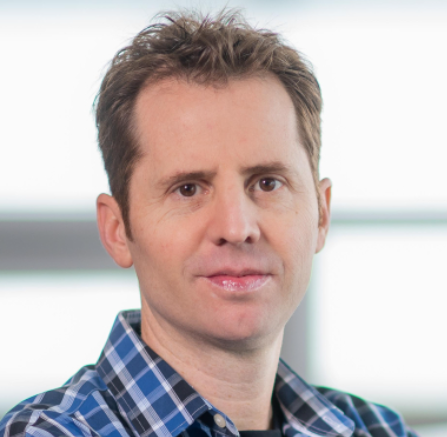
Full bio to be added.