
Toward Virtual Patient: AI for Accelerating Medical Discovery
Session Overview
Today, medical discovery advances one clinical trial at a time, each taking years to execute and often costing $100 million or more. As we enter the era of precision health — where "one size doesn't fit all" and treatments must be tailored to each individual — continuing today's discovery process is clearly unsustainable. The confluence of technological advances and social policies has led to rapid digitization of multimodal, longitudinal patient journeys, including electronic health records (EHRs), imaging, and multiomics. This session explores how multimodal generative AI can learn the language of patients and create a virtual patient world model as a digital twin for forecasting disease progression and treatment response.
Key Takeaways
- Why today's one-clinical-trial-at-a-time discovery process cannot scale to the era of precision health.
- Building multimodal generative AI from EHRs, imaging, and multiomics data to learn the language of patients.
- Creating a virtual patient world model as a digital twin to forecast disease progression and treatment response.
- Synthesizing population-scale real-world evidence from hundreds of millions of patients.
- Accelerating discovery through AI-powered virtual clinical trials, in partnership with large health systems and life sciences companies.
Speaker
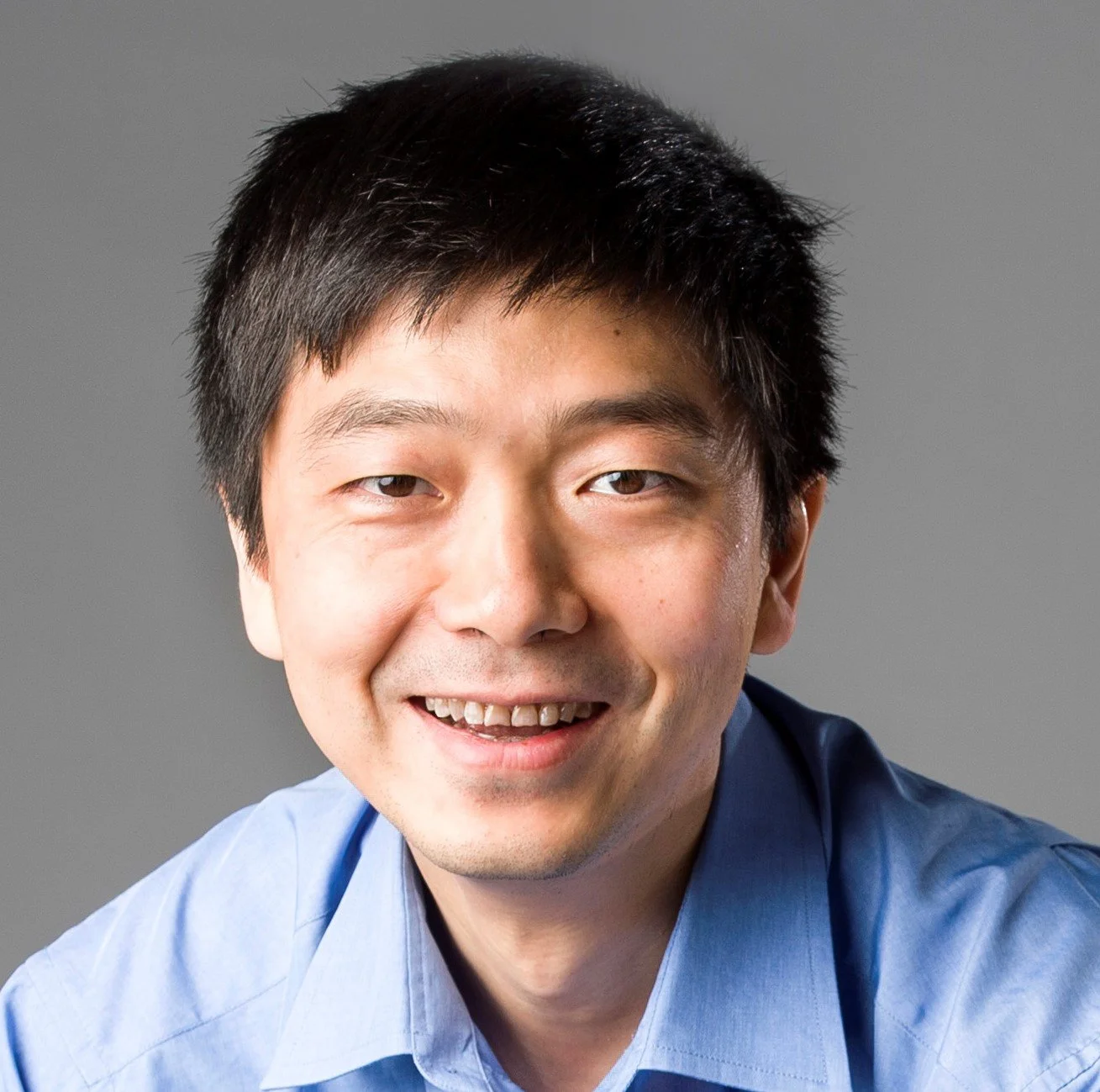
Hoifung Poon is the General Manager of Real-World Evidence at Microsoft Research and an affiliated faculty at the University of Washington Medical School. He leads biomedical AI research and incubation, with the overarching goal of structuring medical data to optimize delivery and accelerate discovery for precision health. His team and collaborators are among the first to explore large language models (LLMs) and multimodal generative AI in health applications, producing popular open-source foundation models such as PubMedBERT, BioGPT, BiomedCLIP, LLaVA-Med, and BiomedParse, with tens of millions of downloads. His latest publications in Nature and Cell feature groundbreaking digital pathology and spatial proteomics foundation models such as GigaPath and GigaTIME. He has led successful research partnerships with large health providers and life science companies, creating AI systems in daily use for applications such as molecular tumor board and clinical trial matching. His prior work has been recognized with Best Paper Awards from premier AI venues such as NAACL, EMNLP, and UAI, and he was named the "Technology Champion" by the Puget Sound Business Journal in the 2024 Health Care Leadership Awards. He received his PhD in Computer Science and Engineering from the University of Washington, specializing in machine learning and NLP.