
From AI Assistants to the Era of Agentic AI: A Pioneer’s Perspective
Session Overview
How did early virtual assistants that could recognize speech and answer questions evolve into agentic AI systems capable of planning and acting on their own? Drawing on firsthand experience developing Cortana, Google Assistant, and Bixby, this session traces the major technological advances that have shaped conversational AI over the past three decades.
The session examines why early AI assistants were largely limited to predefined commands and narrow functions, and how advances in large language models and multimodal AI are beginning to overcome those constraints. It will explore the core architecture of agentic AI systems that go beyond understanding user intent to set goals, select the right tools and services, and complete complex tasks across multiple steps.
Finally, the session considers the challenges that must be addressed for the next generation of AI to move beyond simple question-and-answer interfaces and become intelligent partners that collaborate continuously with people. These challenges include memory, reasoning, personalization, reliability, trust, and safety.
Key Takeaways
- The evolution of conversational AI and virtual assistants over the past 30 years
- Lessons from the development of Cortana, Google Assistant, and Bixby
- The core architecture that enables agentic AI to plan, select tools, and execute multi-step tasks
- The importance of memory, reasoning, personalization, reliability, and safety in building AI collaborators
Speaker
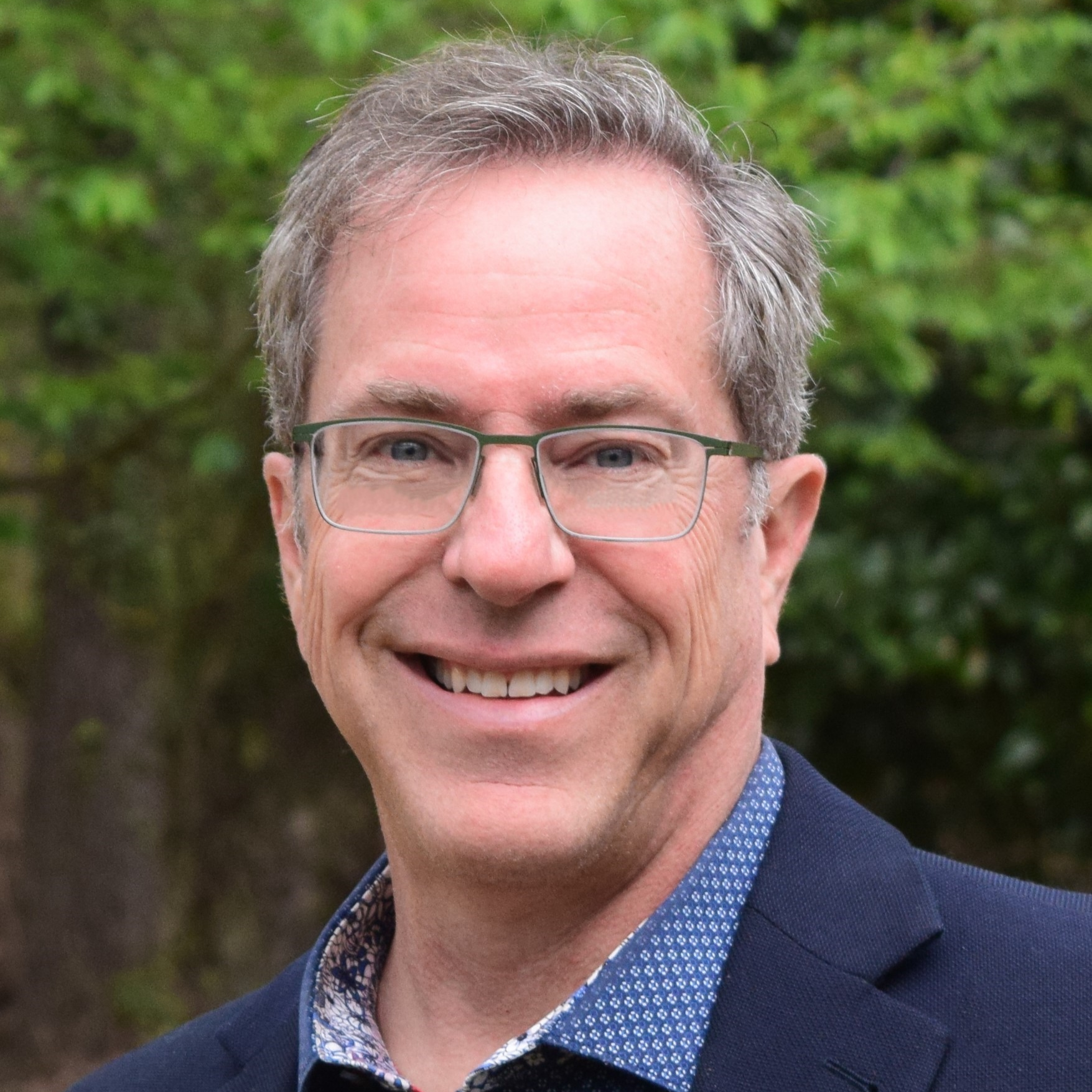
Larry Heck is a professor in the School of Electrical and Computer Engineering and the School of Interactive Computing at the Georgia Institute of Technology. He holds the Rhesa S. Farmer Chair in Advanced Computing and is a Georgia Research Alliance Eminent Scholar. With more than 30 years of experience in speech recognition, natural language processing, and conversational AI, he is widely recognized as a pioneer in the field.
He contributed to the development of Microsoft’s AI assistant Cortana and later founded Google’s Deep Dialogue research team, where he helped lead the foundational technology behind Google Assistant. He subsequently served as a Senior Vice President at Samsung Electronics and CEO of Viv Labs, overseeing Bixby development in North America. He currently leads the AI Virtual Assistant Lab at Georgia Tech, where his research focuses on next-generation AI assistants that extend human capability, creativity, and productivity.