
The Era of Physical AI: How Physical AI Will Transform Industry
Session Overview
AI is moving beyond the digital realm into an era of "Physical AI" — systems that perceive, reason, and act directly in the physical world through robots, autonomous systems, and industrial equipment. Physical AI is expanding the scope of automation across manufacturing, logistics, defense, mobility, and construction, opening the door for machines to take on complex, unstructured tasks that have traditionally required a human hand.
This session looks at the technologies making Physical AI possible — robotic perception, autonomous decision-making, simulation, digital twins, and learning from real-world data.
Alongside the safety, reliability, cost-efficiency, and system-integration challenges of bringing lab research into real industrial settings, the panel will explore how human-robot collaboration is changing, and what Physical AI means for industrial competitiveness, jobs, and supply chains.
Speakers

Seungyoung Lee, CTO of LIG Defense & Aerospace, has built 25 years of experience and expertise in defense R&D, particularly in weapon systems development. He began his career as a software engineer developing the Cheongung (M-SAM) guided missile system, and went on to serve as Head of the SW Planning Team and Director of the SW Research Center before assuming his current role as CTO of the Technology Innovation Division.
He also serves as a member of the Presidential AI Strategy Committee and the Presidential Advisory Council on Science and Technology.

Tony (YeunSae) Jang currently serves as Center Head at Hyundai AutoEver SDx. He is also a Research Professor in the Department of Mechanical Engineering at Hanyang University and CEO of FactoryLab.AI.
- (Former) Vice President, Hyundai AutoEver (Head of SDx Division)
- (Former) Director, POSCO DX (Head of Technology Research Institute / IT Technology Development Group)
- (Former) Professional Services, AWS (Asia Pacific & Japan)
- (Former) Director, Deloitte Consulting (Technology Innovation Group)
- (Former) Senior Manager, IBM GBS (Application Service Delivery)
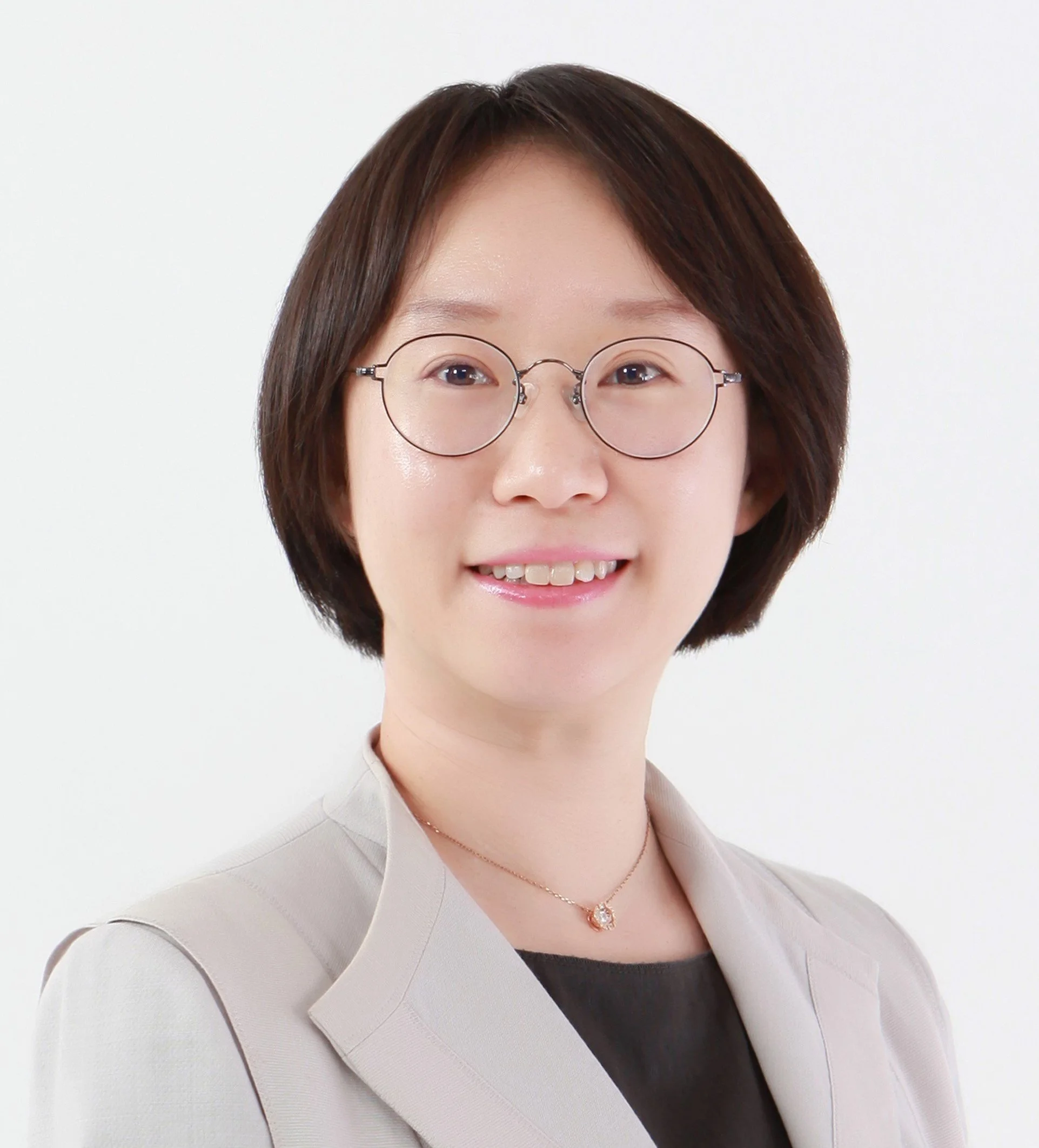
Ayoung Kim is a professor in the Department of Mechanical Engineering at Seoul National University, where she researches robotics, Spatial AI, SLAM, and robot perception. After earning her PhD at KAIST, she conducted research at Microsoft Research and Georgia Tech, and now leads the RPM Lab at Seoul National University.
She has been named an IEEE Fellow, and leads global robotics research through roles including RSS 2028 Program Chair and key positions with IJRR and several international conferences.
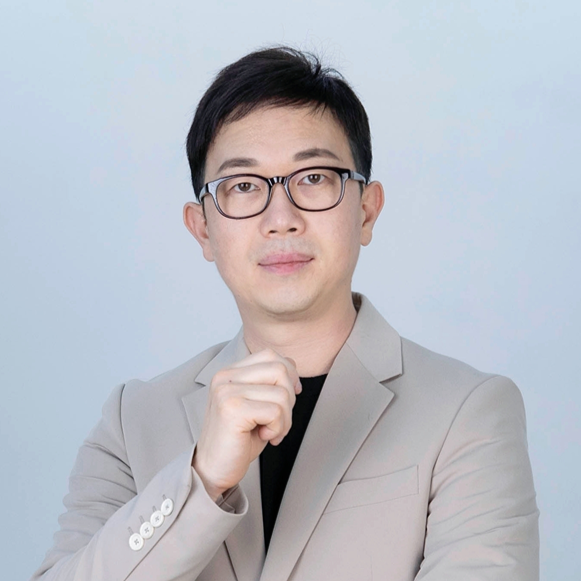
Doohee Chung is the CEO of Impactive AI and an Associate Professor in the School of AI Convergence at Handong Global University, where he actively contributes to AI research and education.
He earned his Ph.D. in Technology Management from Seoul National University and spent a decade at the Samsung Economic Research Institute (SERI) and SERICEO. Bridging academia and industry, he has served as Editor-in-Chief of MIT Technology Review Korea and as an AI Advisory Professor for LG Group.
His work focuses on helping organizations harness emerging technologies to drive innovation and business transformation.