
From Product Data to Collaborative AI Agents: Loud Labs' Two-Year Journey Expanding Beauty Product Characteristics and Patterns into a Product Planning SaaS
Session Overview
Two years ago, Loud Labs launched an NLP-based service that structured beauty products into detailed attributes and identified recurring product characteristics and patterns in the market through changes in attribute combinations.
The service then evolved into a SaaS by applying generative AI — extending from product feature exploration to direction-setting, attribute selection, and generating product planning proposals. Along the way, the team found that generative AI alone struggled to reliably reflect the context and constraints specific to beauty products, so they combined an attribute network, analytical models, generative AI, and clearly defined human roles into a single service structure.
This talk shares Loud Labs' two-year journey — from a product-attribute structuring and feature-exploration service to a collaborative product-planning AI agent — along with the lessons learned from applying generative AI to a real domain service.
Key Takeaways
- How the service evolved from an NLP-based tool to a generative-AI product-planning SaaS.
- The possibilities and limitations discovered when applying generative AI to a real domain service.
- How roles were divided among the attribute network, analytical models, generative AI, and human input.
Speaker
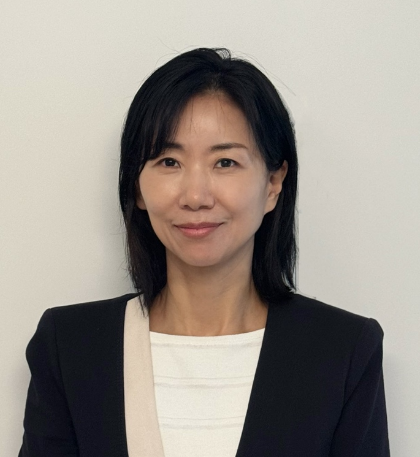
Sujin Kim has led CRM strategy, data-driven marketing, and machine learning model development across management consulting and the finance and telecom industries. Drawing on this cross-industry experience with data, she is now planning and building Loud Labs, a platform that converts customer needs and product-planning processes in the cosmetics ODM industry into an AI workflow.