
AI-Native Medicine: The Opportunities and Challenges of Autonomous Medical AI
Session Overview
AI is fast becoming the basic premise of medicine. Just as electricity became the foundation of every industry, we are entering the era of "AI-Native Medicine," where AI is treated as default infrastructure. At the same time, the familiar question of whether AI will replace doctors is no longer the point — we're standing at an inflection point instead.
Recent medical AI research keeps producing results where, comparing doctors, AI, and "doctor + AI" together, AI alone increasingly delivers the best outcomes — a finding that even challenges the assumption that human-AI collaboration always wins. Beyond that, multi-agent systems that plan and act autonomously, research AI that independently designs new drugs and treatments, robots that autonomously perform entire surgical procedures, and autonomous medical AI that prescribes treatment without a physician's involvement are already emerging in the real world.
Through these five signals, Yoonsup Choi maps out the true shape of "AI-Native Medicine," and — grounded in the latest global research, industry, and regulatory trends — presents a balanced view of both the enormous opportunity and the challenges we must confront as autonomous medical AI arrives.
Key Takeaways
- "Doctor vs. AI vs. Doctor+AI" — who ultimately wins, and what does that mean for the future of medicine?
- How far can medical AI agents autonomously diagnose and treat patients?
- What will autonomous surgical robots and autonomous research AI change about medicine?
- In an era when AI can prescribe without a doctor, how should we regulate it — and who is accountable?
Speaker
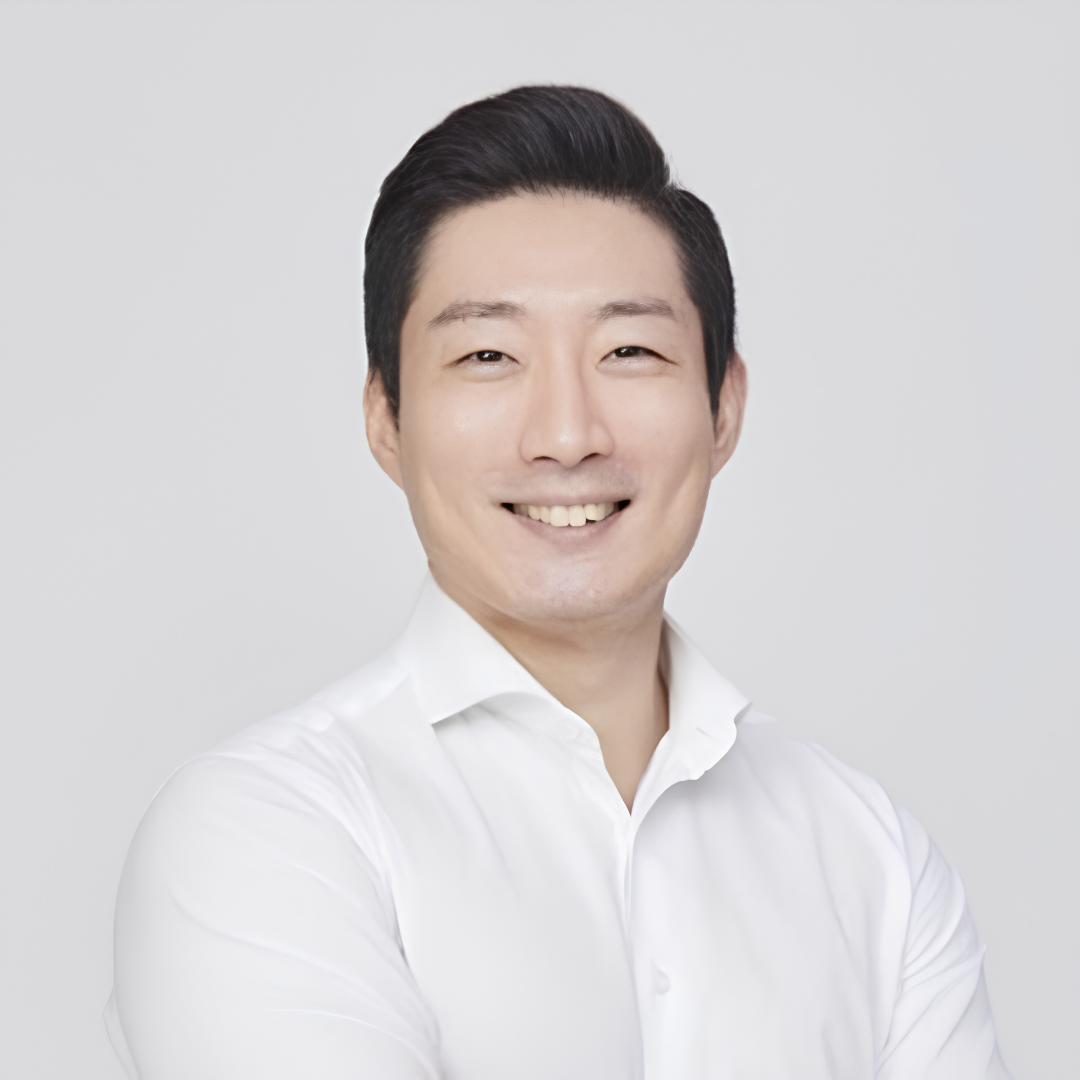
Yoonsup Choi was the first to introduce digital healthcare to Korea and has led the field ever since, as both a physician-scientist and a venture capitalist. He double-majored in computer engineering and life sciences at POSTECH and earned his PhD in bioinformatics at the same graduate school, before serving as a visiting scholar at Stanford University and a research professor at Seoul National University's Cancer Research Institute. In 2016, he co-founded Digital Healthcare Partners (DHP), Korea's first dedicated digital healthcare investment firm and accelerator, where he now serves as Founding Partner — investing in and nurturing more than 50 innovative digital healthcare startups, including Vuno and Lunit. He also serves as an adjunct professor at Yonsei University College of Medicine, mentoring the next generation, and has served on the editorial board of Nature's npj Digital Medicine as well as on advisory committees for Korea's drug and reimbursement review bodies. He is the author of several books, including "Medical Artificial Intelligence" and "Digital Healthcare: The Future of Medicine."